Morocco is one of the most vibrant and diverse destinations in the world. From the bustling souks of Marrakech to the serene blue streets of Chefchaouen, from the golden Sahara dunes to the rugged Atlas Mountains, the country offers endless experiences for travelers. Planning your Morocco itinerary can feel overwhelming because there’s so much to see and do. Should you spend more time in cities or the desert? How can you combine culture, adventure, and relaxation?
This step-by-step guide will help you design your perfect Morocco itinerary for 2025–2026, whether you have just a few days or a couple of weeks. You’ll get practical tips for choosing destinations, arranging transport, and including experiences that will make your trip unforgettable.
Step 1: Decide How Long You’ll Stay in Morocco
The length of your trip is the foundation of any itinerary. Morocco is a large country, and travel times between cities can be significant. For a short trip, 5 days is enough to explore one or two cities, like Marrakech and Fes, or to enjoy a brief desert adventure. You can experience Morocco’s highlights, but your schedule will be tight.
A 7-day itinerary allows for a more balanced trip. You could start in Marrakech, take a desert tour, and finish in Fes or Casablanca, giving you time to enjoy each stop without rushing. For travelers with 10 days or more, you can explore multiple regions — the north, south, mountains, and desert — making it possible to see a wide variety of landscapes, cultures, and cities.
💡 Tip: Most first-time travelers find 7 to 10 days ideal for a complete experience, balancing urban exploration, cultural experiences, and desert adventures.
Step 2: Choose Your Starting Point
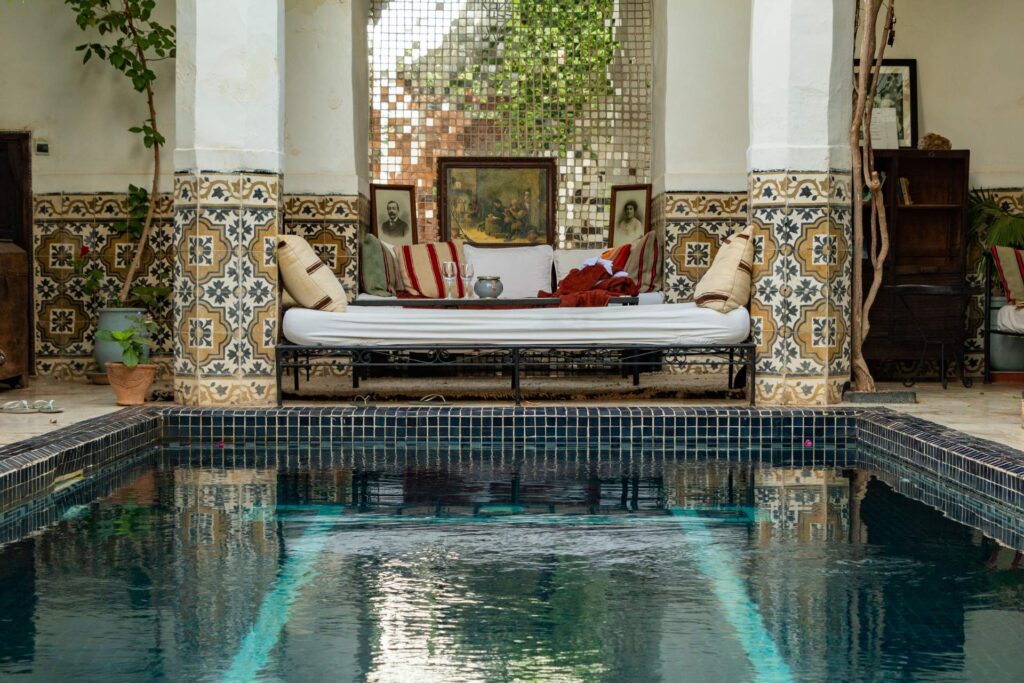
Morocco has four main international gateways, each with its own advantages. Marrakech is perfect for those who want to experience bustling souks, vibrant nightlife, and easy access to desert tours. Fes offers a more traditional and historical Moroccan experience, with its ancient medina and rich cultural heritage.
Casablanca is Morocco’s modern business hub, ideal for travelers arriving on international flights and wanting quick access to major cities. Tangier, in northern Morocco, is great for travelers coming from Spain or planning to explore the Rif Mountains and Mediterranean coast. Choosing your entry city can help optimize your route and reduce travel time.
Step 3: Pick the Highlights You Can’t Miss
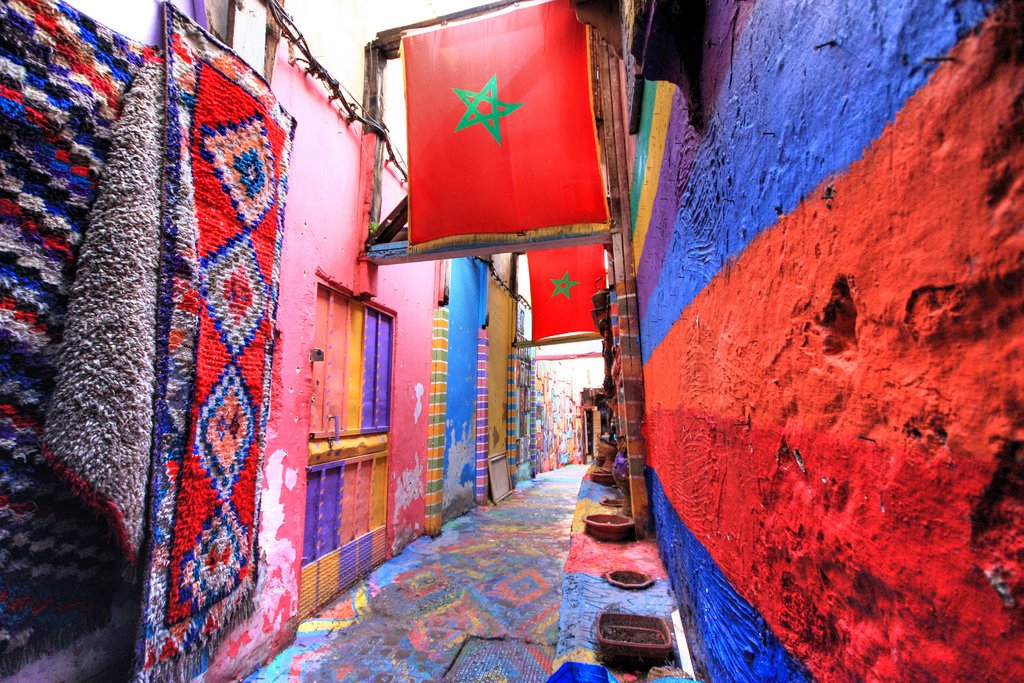
Morocco is full of must-see destinations and experiences, so prioritize what matters most to you. Marrakech is famous for Jemaa el-Fnaa square, the colorful souks, and stunning palaces and gardens. Fes, with its centuries-old medina, tanneries, and spiritual atmosphere, offers a deep dive into Moroccan history.
The Sahara Desert provides unforgettable experiences, including camel trekking, luxury desert camps, and incredible star-filled nights. Chefchaouen is a dream for photographers and those who enjoy walking through charming blue streets. The Atlas Mountains offer trekking opportunities and visits to Berber villages, while coastal towns like Essaouira provide fresh seafood and relaxing beaches. Choosing your highlights early will make it easier to plan your route.
Step 4: Plan Your Route
Once you know your priorities, planning your route ensures a smooth journey. Morocco’s cities and attractions are spread out, and traveling without a plan can waste time and energy. For a classic 7–10 day itinerary, many travelers start in Casablanca, visit Rabat and Chefchaouen, explore Fes, and end with a desert tour in Merzouga before finishing in Marrakech.
A southern-focused itinerary might begin in Marrakech, continue through the High Atlas Mountains, then a Sahara Desert tour, and return via Ouarzazate. For travelers with limited time, a northern itinerary could focus on Tangier, Chefchaouen, and Fes, ending in Casablanca. Properly planning your route helps you maximize sightseeing while minimizing long, tiring drives.
Step 5: Decide on Transportation
Transportation in Morocco is safe and varied. Private tours are the most convenient, especially if you want to cover long distances without stress. Professional drivers handle logistics, allowing you to focus on enjoying the scenery and experiences. Trains are reliable and comfortable between cities like Casablanca, Rabat, Fes, and Tangier.
Buses are an affordable option for longer routes, while car rentals can offer flexibility but require confidence driving in Moroccan traffic. For first-time visitors, private tours are recommended, especially for desert and mountain trips. Companies like Desert Morocco Travel provide tailored tours and expert local guidance, making your journey worry-free.
Step 6: Plan Your Desert Experience
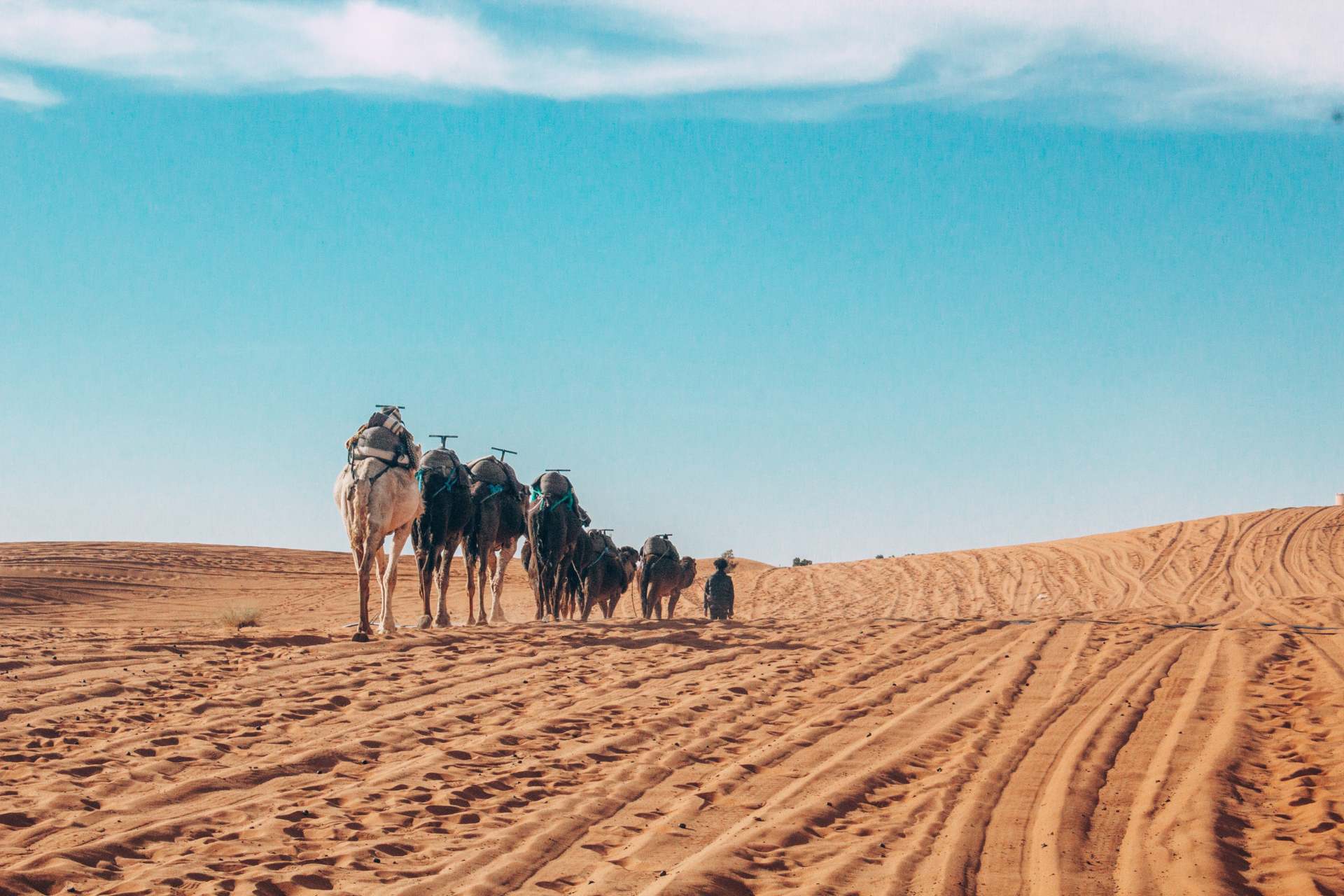
The Sahara Desert is a highlight of any Morocco itinerary. Most travelers choose between Merzouga and Zagora. Merzouga is famous for towering golden dunes, luxurious desert camps, and camel treks under the stars. Zagora offers smaller dunes, ideal for shorter trips.
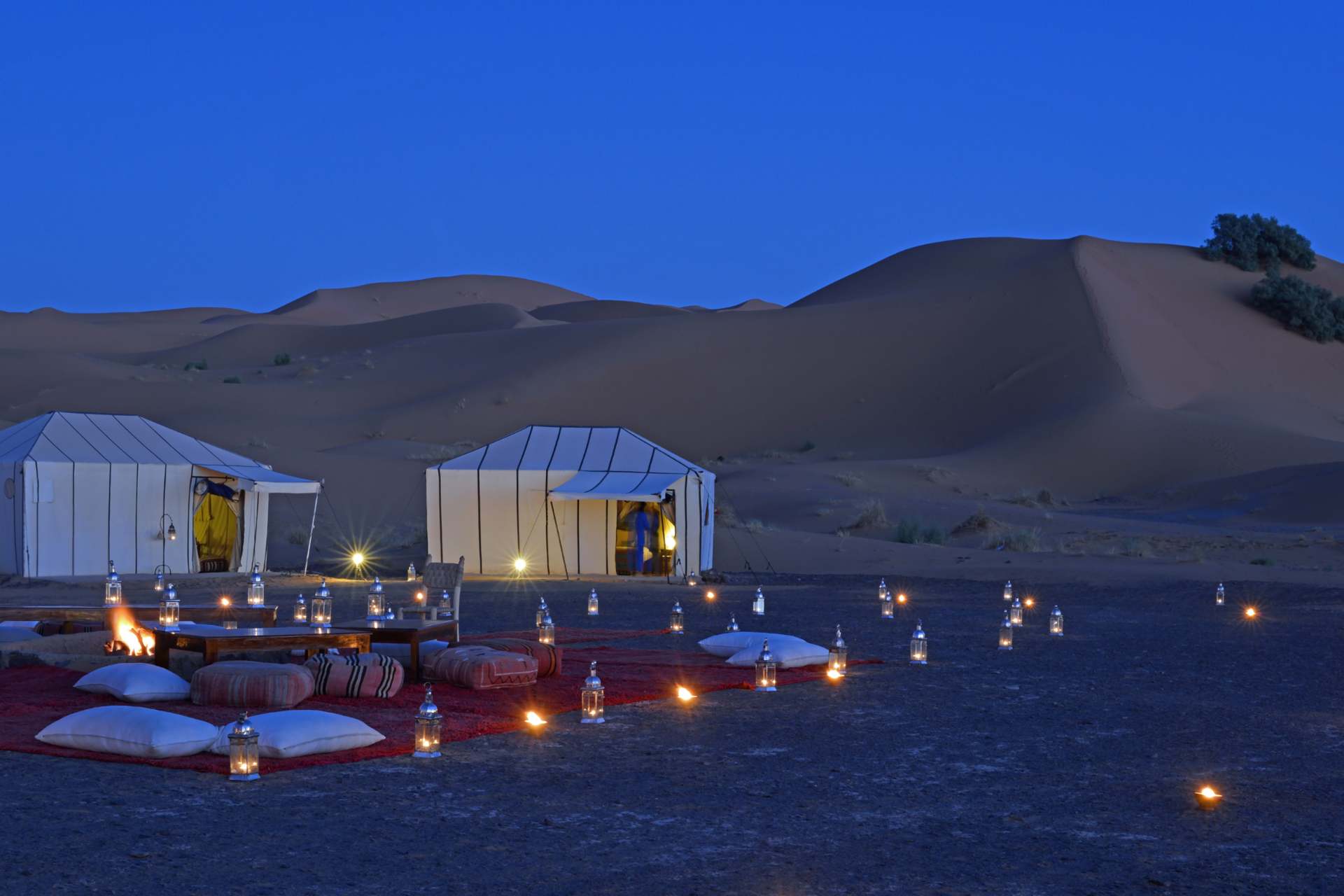
Desert tours often include stops at the Atlas Mountains, Ait Benhaddou, and desert oases. Spending at least one night in a desert camp lets you experience Berber hospitality, traditional cuisine, and unforgettable sunsets. Desert tours can range from 2–3 days for shorter trips to a full week for those wanting a deeper adventure.
Step 7: Build Free Time Into Your Itinerary
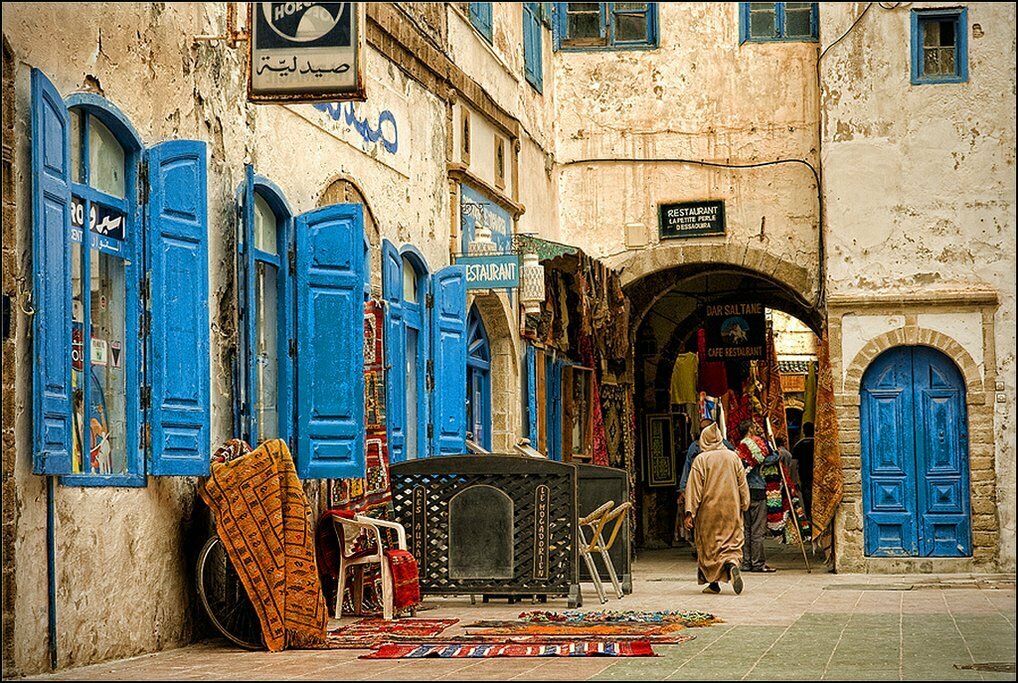
A successful Morocco itinerary balances sightseeing with free time. Wandering slowly through Marrakech’s medina allows you to discover hidden corners, enjoy mint tea at a local café, and interact with artisans. Spending unstructured time in Fes or Chefchaouen lets you capture authentic moments without rushing.
Even during desert tours, schedule periods to relax and enjoy the surroundings. Free time makes your trip more enjoyable and creates memories you wouldn’t have had if everything were scheduled down to the hour.
Step 8: Add Cultural Experiences
Morocco’s culture is a highlight in itself. Consider taking a Moroccan cooking class, watching a traditional Gnawa music performance, or visiting a hammam for a spa experience. Exploring Berber villages in the Atlas Mountains connects you with local traditions and daily life, giving your itinerary depth beyond sightseeing.
Cultural experiences create meaningful connections with Morocco and its people. They also give your trip a unique flavor, making it more memorable than simply visiting landmarks.
Step 9: Sample 10-Day Morocco Itinerary
Here’s an example of a 10-day Morocco itinerary that balances cities, culture, and adventure:
- Day 1–2: Arrive in Casablanca → Visit Hassan II Mosque → Travel to Rabat and explore.
- Day 3: Explore Chefchaouen and the blue streets.
- Day 4–5: Discover Fes’ medina, tanneries, and historical sites.
- Day 6–7: Sahara Desert tour from Fes with camel trekking and overnight desert camp.
- Day 8–9: Marrakech sightseeing – souks, palaces, gardens.
- Day 10: Day trip to Essaouira or Atlas Mountains → Departure.
This sample itinerary keeps travel manageable, with time to enjoy each destination fully.
Step 10: Finalize and Book Early
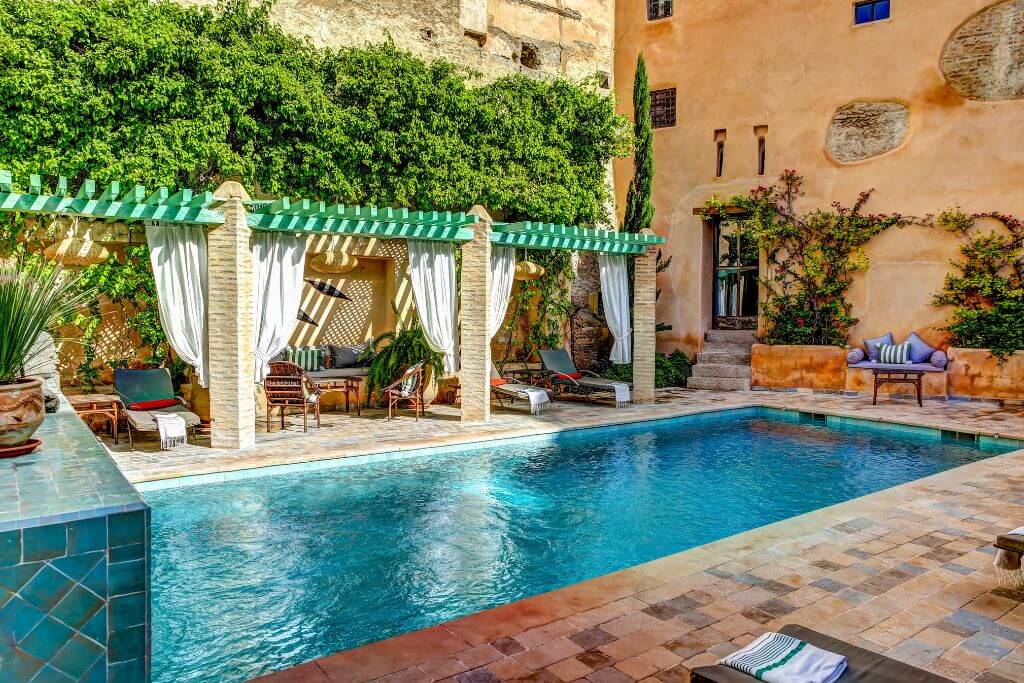
Morocco’s popularity continues to grow in 2025–2026, so booking accommodations, desert tours, and major transport in advance is recommended. Luxury riads and desert camps often fill up quickly during spring and fall. Early planning ensures you get the best options, from private tours to boutique stays.
Final Thoughts: Your Perfect Morocco Itinerary
Designing a Morocco itinerary doesn’t have to be complicated. By following these steps, you’ll create a trip that’s balanced, enjoyable, and unforgettable. Whether your goal is city exploration, desert adventure, or cultural immersion, Morocco has something for everyone.
For personalized itineraries, guided desert tours, and expert travel advice, explore Desert Morocco Travel. With professional local guides and tailor-made tours, your Morocco adventure in 2025–2026 will be safe, exciting, and unforgettable.